The spine is the master structure on which every other structure depends.
If you are reading this, you may be part of the millions of people caught in an endless cycle of seeing multiple healthcare providers without finding relief. You may have been told you have to “live with it,” or you may feel that your pain is misunderstood.
I am a Neuromusculoskeletal Medicine (NMSM) expert. My practice is different because I have undergone advanced, post-doctoral training to become a specialist in diagnosing and treating the most complex conditions affecting the nerves, muscles, and joints.
What is a Neuromusculoskeletal Medicine (NMSM) Specialist?
While all chiropractors receive training in spinal adjustments, an NMSM specialist is a doctor who has completed extensive postgraduate training leading to board certification. This advanced training focuses on the “complete neurological components” of the human body—how your nerves, bones, joints, discs, and muscles interact to create (or relieve) pain.
As a specialist, I function as a “medical detective” for your pain. My goal is to deliver expert clinical knowledge to patients who need and desire a higher level of service, working toward remission even when a simple “cure” has been elusive in the past.
The “Lost Hope” Patient: Why We Are Different
Chronic pain is a tragically overlooked public health problem. Many patients “bounce from doctor to doctor” receiving inadequate care because the standard healthcare system often lacks the specific training required to assess complex chronic pain conditions.
Here is how my NMSM approach serves those who have lost hope:
• Diagnosis is the Key: Successful treatment cannot happen without an accurate diagnosis. I utilize a rigorous specialized protocol—including advanced patient history, orthopedic testing, and neurological evaluation—to identify the specific tissues causing your pain.
• A Neuroscience Approach: I move away from the frightening idea of “damaged parts” and “bones out of place.” Instead, we use the latest pain neuroscience to understand how your nervous system has become sensitized. We work to “re-educate” your nervous system to reduce pain and disability.
• Patient-Centered Care: You are not just a collection of symptoms. My care focuses on fostering a healing relationship, managing your uncertainty, and enabling you to self-manage your condition.
Treating the Complex, Not Just the Common
While I treat common back and neck pain, my board certification qualifies me to manage complex neuromusculoskeletal injuries and diseases that other providers may miss. This includes:
• Complex Spinal Conditions: Disc herniations, spinal stenosis, and radiculopathy (nerve pain).
• Chronic Pain Syndromes: Conditions where pain persists longer than normal healing times (more than 3 months), including myofascial pain syndromes.
• Extremity Issues: Nerve entrapments (like carpal tunnel), shoulder impingement, knee derangement, and hip pain.
• Headaches: Migraines and cervicogenic (neck-related) headaches.
Restoring Function and Quality of Life
My goal is to offer holistic, cost-effective care that integrates seamlessly with your other medical needs. Whether using spinal manipulation, soft tissue treatments, or specialized rehabilitation exercises, every treatment plan is evidence-based and custom-tailored to your specific diagnosis.
If you are tired of generic treatments for specific, complex problems, it is time for a second opinion. I specialize in finding answers for patients who have lost hope.

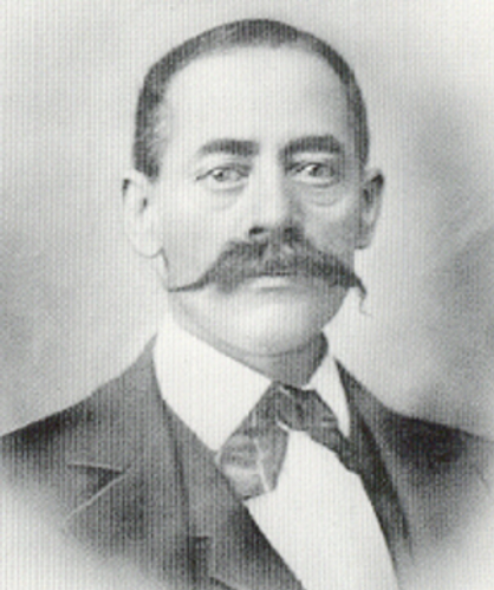
The modern history of chiropractic began, on September 18, 1895. It took place in the small office of Dr. Daniel David Palmer a teacher, magnetic healer, and the founder of modern chiropractic.
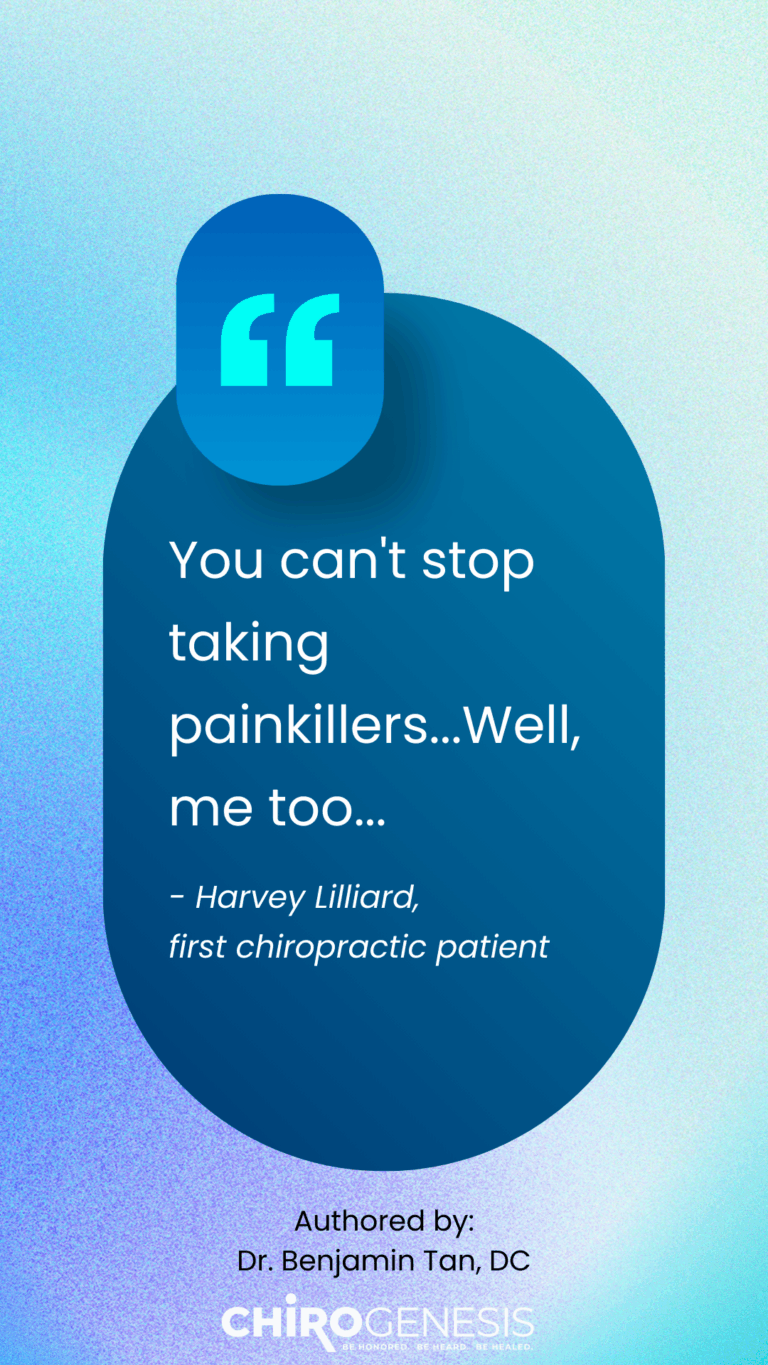
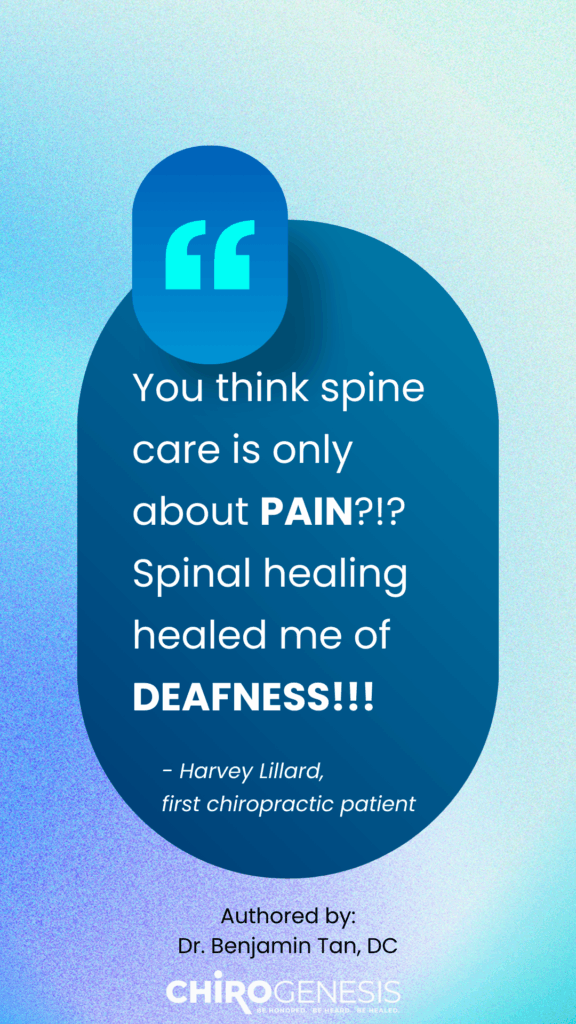
It was September 18, 1895 and at the time Dr. Palmer was trying to understand the cause and effect of disease. His patient, Harvey Lillard, was a black janitor working in the same building as Dr. Palmer in Davenport, Iowa.
17 years before, while working in a cramped, stooped position, Mr. Lillard felt something give way in his spine. The immediate result was not only pain… but he also found he had lost his hearing. He allowed Dr. Palmer to examine his spine to see if anything could be done. Dr. Palmer discovered a “lump” on Mr. Lillard’s back and suspected that a vertebra might be out of “alignment” and “pinching” a nerve affecting Mr. Lillard’s ears.
With an admittedly unrefined chiropractic technique, Dr. Palmer adjusted the vertebra with a gentle thrust. Lillard was excited to hear noises from the street below. After a couple treatments, much of Mr. Lillard’s hearing was completely restored. Chiropractic was born.
Adapted from https://www.doctorsten.com/about/history-of-chiropractic/
DD Palmer’s first adjustments to Harvey Lillard, which cured him of his deafness, was reportedly performed on Harvey’s upper cervical spine, specifically C2 (the second uppermost bone in the neck).
This intelligent power is sufficient unto every need IF it gets from where it is, to where it is needed.” (Volume XXXVI: Palmer’s Law of Life, Chapter XXIX, pages 138-139), 1958
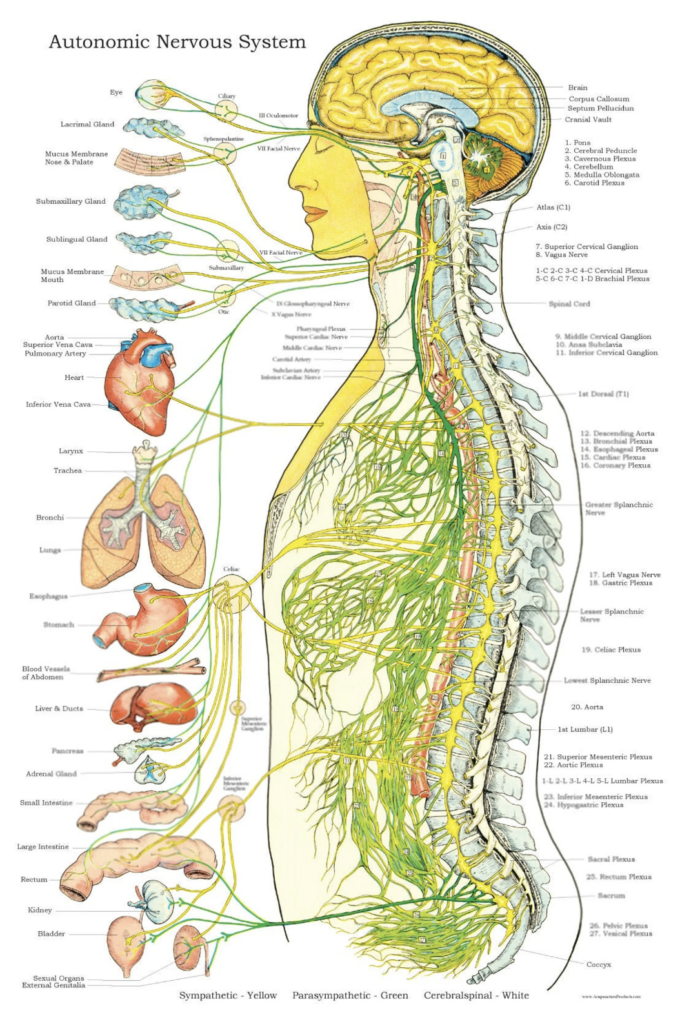
DD Palmer then went on to say that “sickness or dis-ease can exist anywhere , in any organ, in any manner, when this free flow is interfered with between brain and body.” (Volume XXXVI: Palmer’s Law of Life, Chapter XXIX, pages 138-139), 1958
What could interfere, block and obstruct this unlimited supply of Intelligent Power?
DD Palmer’s answer was this: “A twisted, distorted, abnormally positioned vertebra of the spine, producing pressure upon the power-transmitting core of nerves.”
This is what Toggle Recoil technique aka HIO (hole-in-one) upper cervical chiropractic can do for any patient.
Severe scoliosis in 20 year-old female patient
Due to the extreme amounts of pain and dysfunction in her entire body, she could not move comfortably.
After 3 months of consistent treatment of her spine, she is not in much pain anymore and is now able to exercise and attend classes without any pain.
She is now on regular maintenance Chiropractic care once every 2 months to keep her health in check.
Chronic elbow pain of a 35-year old male
There was limited range of motion in his elbow, and a distinct loss in grip strength.
Just within 2-3 adjustments to the elbow joints, he had regained 50-60% function and had a 70% reduction in pain.
With just another 3 weeks of treatment, he has since regained the full function of his elbow.
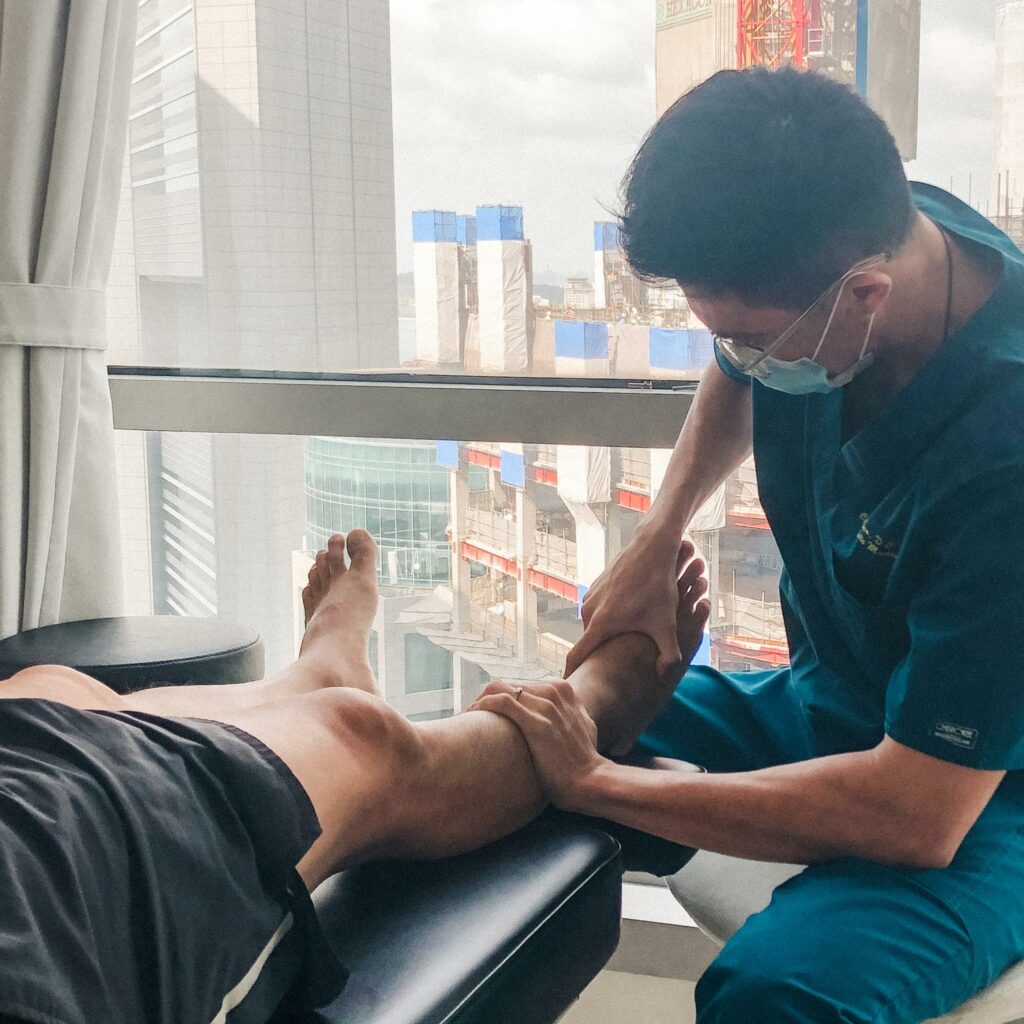
Chronic ankle instability of a 35-year old male, avid jogger
He experienced a bad ankle sprain 2 months ago, as well as multiple “minor” sprains over the last couple of years playing sports.
The X-rays above revealed that the ‘heel bone’ and the ‘shin bone’ were not aligned.
After 1 adjustment, the patient was able to put more weight on the ankle and felt like he could do squats again. After 2 more treatments, he was able to run again without pain.
“Frozen Shoulder” in a 56-year old male
He came in with a severely immobile and painful shoulder.
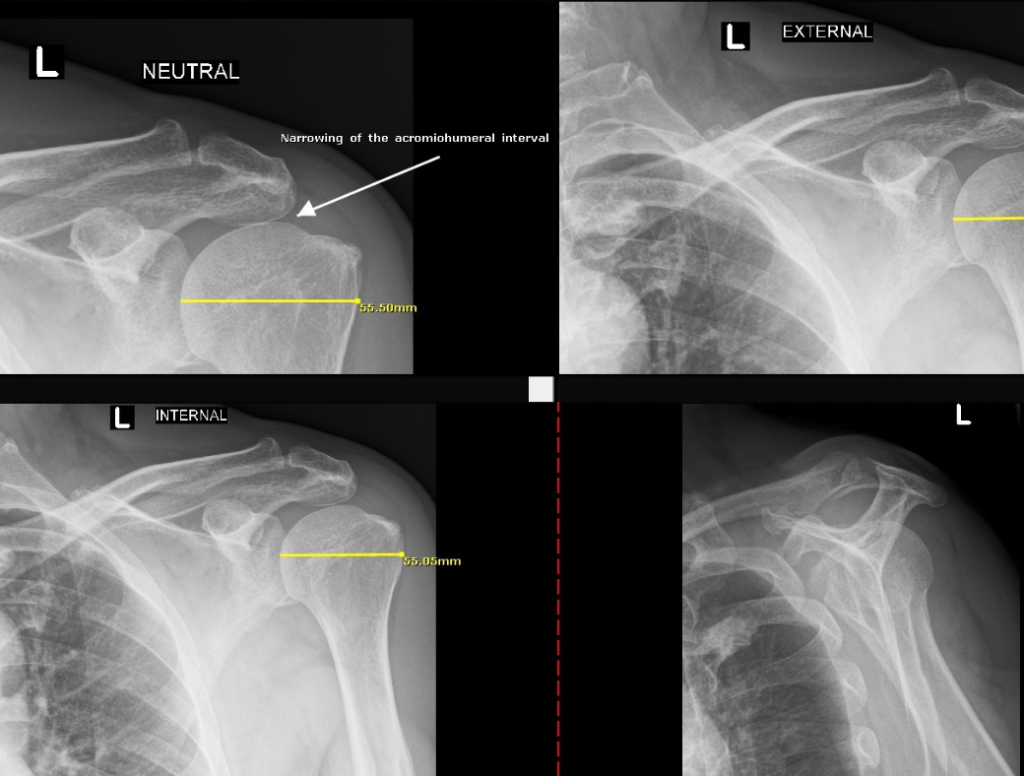
The shoulder x-rays revealed that he had rotator cuff insufficiency i.e. his “shoulder muscles weren’t doing their job to keep the joint stable”.
Within 1 adjustment, the patient was able to lift up his arm to above 90 degrees from the side of his body. With our diagnosis, he is now receiving clinical pilates care in order to work on his shoulder muscles.